
Protection That Stops Rust Before It Starts
Undercoating in Harwich for vehicles exposed to salt and coastal moisture
Cape Detail applies undercoating to vehicle frames and floorboards using a protective chemical barrier that shields metal surfaces from corrosion. The service targets areas where road salt, ocean spray, and standing moisture accumulate and accelerate rust formation. Vehicles driven in Harwich face constant exposure to marine air and winter de-icing treatments that attack metal components from underneath.
The process involves spraying a specialized protective material onto the frame, suspension components, and floorboard undersides to create a barrier between bare metal and corrosive elements. This application addresses the primary cause of undercarriage rust: saltwater infiltration into crevices where metal meets metal, where traditional paint and factory coatings fail to provide adequate coverage. The material bonds to existing surfaces and remains flexible to withstand temperature changes and road vibration without cracking.
Schedule an undercarriage inspection to assess current corrosion levels and determine the best application approach for your vehicle.
How the Coating Layer Blocks Moisture and Salt
The undercoating material fills surface imperfections and creates a sealed layer that prevents water and dissolved salt from reaching metal substrates. Application requires cleaning debris and loose rust from target areas before spraying, since the coating must adhere directly to solid metal or existing factory protection to function correctly. Proper coverage depends on reaching recessed areas around crossmembers, inside frame channels, and along seam welds where water naturally collects.
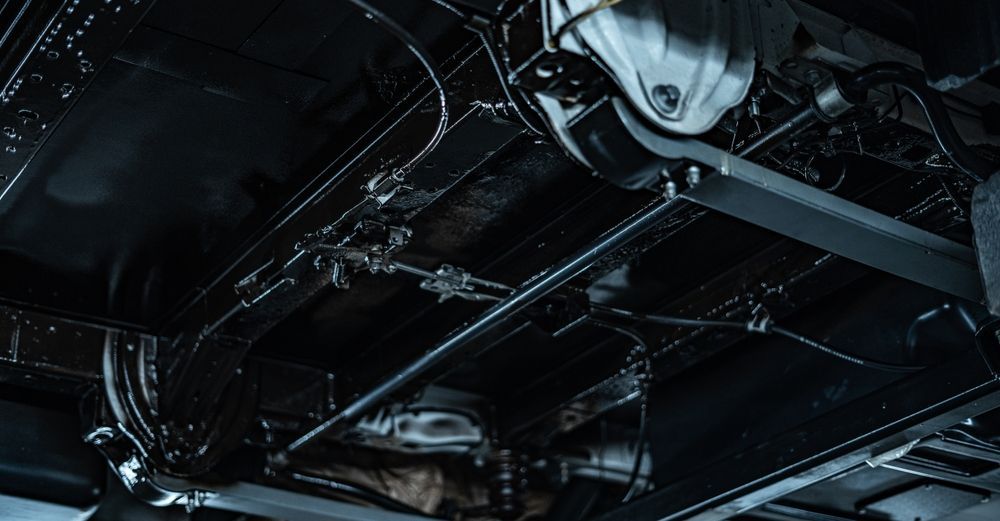
After Cape Detail completes the application, you'll notice a uniform dark coating visible across the entire undercarriage when the vehicle is lifted. The treated surfaces shed water instead of absorbing it, and salt residue washes away during rain rather than sitting in contact with metal. Frame rails and suspension mounts remain structurally sound instead of developing the pitting and flaking that signal advancing corrosion.
The service protects factory metal but does not reverse existing rust perforation or restore structural integrity to compromised sections.
Vehicles with extensive existing corrosion may require rust removal or panel replacement before undercoating provides meaningful protection. The coating also requires periodic inspection, particularly after winter seasons when road salt exposure peaks.
Questions About Protecting Your Vehicle Undercarriage
Vehicles in Harwich encounter specific corrosion challenges due to coastal proximity and seasonal road treatments, which shape how and when undercoating delivers the most value.
What makes undercoating necessary in coastal areas like Harwich?
Ocean air carries salt particles that settle on undercarriage surfaces year-round, while winter road salt creates a corrosive slurry that clings to metal even after the snow melts. The combination accelerates rust formation at rates significantly higher than landlocked regions experience.
How soon after purchase should a new vehicle receive undercoating?
Applying undercoating within the first year maximizes protection since factory coatings are still intact and no rust has established. Once corrosion begins, the coating seals in existing damage rather than preventing it.
What parts of the undercarriage receive treatment during application?
The frame rails, crossmembers, suspension mounting points, and floorboard undersides all receive coverage, focusing on areas where water pools or salt accumulates. Exhaust components and certain rubber parts are avoided since high heat or material incompatibility can cause coating failure.
When is the best time of year to schedule undercoating service?
Late spring or early fall works best because the undercarriage is typically drier and road salt residue from winter has been washed away. Applying coating over wet surfaces or salt deposits traps moisture and accelerates the very corrosion the service aims to prevent.
How does undercoating differ from rust-proofing treatments?
Undercoating creates a thick physical barrier on external surfaces, while rust-proofing typically involves thinner oil-based products that penetrate interior cavities and seams. Both address corrosion but target different exposure points on the vehicle structure.
Cape Detail treats vehicles throughout the Cape Cod area where salt exposure threatens long-term undercarriage integrity. Contact the team to arrange an application appointment before the next winter season begins.